Poland’s EU presidency advanced raw materials from legislative ambition to concrete implementation, shaping Europe’s industrial future.
Op-Ed by By Michał Nowosielski
The first half of 2025 marked a strategic inflection point for Europe’s raw materials policy. During our Presidency of the Council of the European Union, we elevated raw materials to the top of the industrial agenda and helped moved the Critical Raw Materials Act (CRMA) from legislation to implementation.
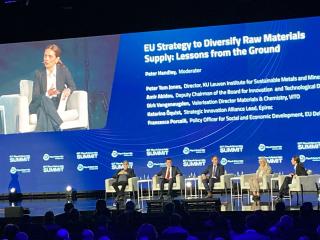
In May, the Presidency hosted the high-level Raw Materials Conference in Kraków, a milestone event that convened policymakers, industry leaders, and researchers to align on the urgency of securing Europe’s supply chains and strengthening resilience. At the same time, we introduced the Draft Act on Raw Materials at home, advanced national exploration programmes and launched strategic projects that will shape Europe’s raw materials landscape for years to come.
National and European: A shared agenda
These two initiatives—one European, one national—are deeply complementary. The Kraków conference amplified Poland’s leadership and created a platform for cross-border cooperation, while the Draft Act embedded CRMA principles into our domestic legal framework.
Together, they signal a decisive shift toward proactive resource governance. These efforts will accelerate investment, streamline permitting, and align raw materials policy with both industrial competitiveness and environmental sustainability.
Effective coordination between national initiatives and EU policymaking is critical. This coordination must be systemic and built on trust, transparency, and shared data. National geological surveys should feed into EU-wide platforms, and strategic projects must be co-financed and co-managed. Harmonised permitting procedures and joint investment mechanisms are essential to avoid fragmentation.
Equally important are educational initiatives, such as the European Raw Materials Academy, which should be developed jointly to ensure consistent skills and standards across Member States. Ultimately, we must move toward a governance model that acknowledges national realities while advancing shared European ambitions.
Polish projects, European assets
This effort is already bearing fruit. Two Polish projects were included in the EU’s list of 47 strategic raw materials projects: the rare earths separation plant in Puławy, which was also supported by EIT RawMaterials, and the Zawiercie battery recycling facility.
This recognition validates Poland’s strategic importance in the raw materials ecosystem, and they are not only national achievements but European assets. They diversify supplies, reduce dependence on imports, and strengthen the circular economy. They also open the door to further investment, strengthen regional development and create jobs, and place Poland firmly at the heart of Europe’s strategic autonomy and Green Transition.
Challenges still ahead
The work, however, is far from finished. Significant challenges remain: permitting delays, public perception, and skilled labour shortages. Mining and processing projects take years to mature, and we must manage expectations while building societal understanding of their strategic value. The EU must simplify regulatory frameworks and support member states in building institutional capacity.
Our advice to the Danish and future presidencies: stay ambitious, invest in people and geological knowledge, and keep raw materials policy at the heart of Europe’s industrial, climate, and security goals. The momentum has been built. Now it must be sustained.
Michał Nowosielski is the Head of the National Raw Materials Policy and International Affairs Division in Poland, overseeing the implementation of the National Raw Materials Policy through domestic and international projects.